How Secure Number Plate Registration Protects UK Drivers from Vehicle Cloning
Why Registration Security Matters More Than Ever
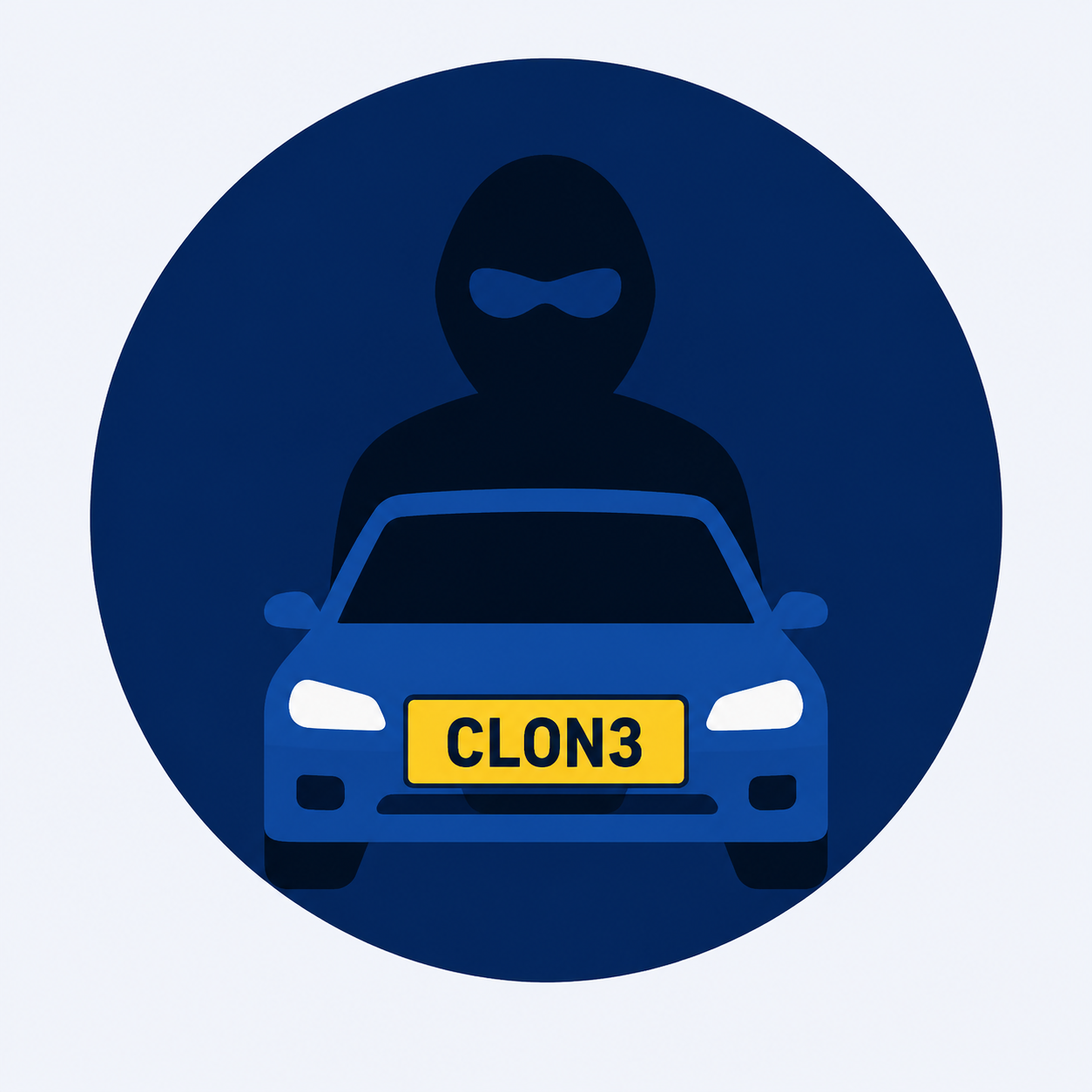
Every day, thousands of vehicles travel the UK's roads with their registration plates displayed clearly. Most drivers assume that if their plates are legitimate and their paperwork is in order, they have nothing to worry about. But the reality is more complicated. Vehicle cloning - where criminals copy a legitimate registration number onto an identical model of car - has become a persistent problem. The victim often finds out only when penalty notices, congestion charge fines, or even criminal investigations land on their doormat.
The first line of defence against this kind of fraud is a system that ties each plate to its genuine owner in a way that cannot be easily bypassed. That is where secure number plate registration comes into the picture. It is not just about having a registration document that matches the car. It is about creating a verified link between the vehicle, its keeper, and the physical plate, so that any attempt to duplicate or misuse that identity triggers a flag. For anyone who values peace of mind on the road, understanding how this protection works is a worthwhile step.
What Vehicle Cloning Looks Like in Practice
Cloning is not a rare crime. A criminal finds a car that matches the make, model, and colour of a vehicle they want to use for illegal activity. They note down the registration number from that car - often by simply walking past it or photographing it in a car park - and order replica plates online. Some suppliers ask for proof of ownership; others do not. Once the cloned plates are fitted, the criminal can drive through congestion charge zones, evade tolls, or even commit more serious offences, all while the legitimate owner receives the penalties.
The burden of proof then falls on the victim. They have to show that they were not at the location at the time, that their car did not match the description, or that their plates were cloned. This can take months of correspondence with police, councils, and the DVLA. In the meantime, the victim may face threats of bailiffs, court summons, or a damaged credit record. A robust approach to secure number plate registration can prevent this chain of events from starting.
How Registration Security Works Behind the Scenes
The core idea is straightforward: when a vehicle's registration is verified and linked to a secure network, any attempt to check that plate against the database reveals whether it matches the expected vehicle and keeper. If a cloned plate is checked, the discrepancy shows up immediately. But the system relies on the initial registration being done properly. Many drivers assume that buying a car from a dealer or transferring a private plate through the DVLA automatically guarantees this. In practice, there are gaps.
For instance, private plate transfers are processed by the DVLA, but the physical plate itself can still be vulnerable if the keeper does not have a way to confirm that their registration is locked to their identity. A system that provides real-time alerts when a plate is queried or when a change is attempted gives the keeper an extra layer of control. The idea is not to replace the official register but to add a practical, immediate check that the official system cannot always provide.
The Role of Verification Networks
A verification network acts as a secondary check. When a plate is registered on such a network, anyone who tries to validate that plate - whether a parking enforcement officer, a police patrol, or an ANPR camera system - can see not only the official record but also a confirmation that the plate has been secured by its owner. This makes it harder for cloned plates to go unnoticed.
Some services also offer alerts. If someone checks your registration number, you get a notification. This can be useful if your car is parked at a station car park or left on a street while you travel. You might discover that a cloned version of your plate is being used elsewhere, giving you the chance to report it before fines accumulate. The combination of verification and alerting is what shifts registration from a passive record to an active defence.
Practical Steps to Secure Your Registration
If you want to protect your vehicle from cloning, there are a few practical measures you can take. None of them are complicated, but they do require a little awareness.
- Check your plates regularly for signs of tampering. If they look loose, scratched, or replaced without your knowledge, investigate immediately.
- Keep your vehicle registration document in a safe place. Do not leave it in the car where a thief could copy the details.
- Consider using a system that links your registration to a secure identity check. This is where the concept of secure number plate registration becomes directly relevant to everyday drivers.
- If you sell a vehicle privately, ensure the transfer of registration is completed through the official channels and that you receive confirmation. Do not rely on verbal agreements.
- Report any unexpected fines or penalty notices to the police and the DVLA as soon as possible. The earlier you act, the easier it is to prove cloning.
These steps are simple, but they form a foundation. The real strength comes when those steps are supported by a system that actively monitors and verifies the plate's identity.
How Protect-A-Plate Fits Into the Picture
Services like Protect-A-Plate provide exactly this kind of active verification. The Protect-A-Plate secure number plate registration process links your vehicle's registration to your identity in a way that allows instant checks. If an ANPR camera or a law enforcement terminal reads your plate, the system confirms that it belongs to you and that it has not been tampered with. If a cloned plate is used, the mismatch is flagged.

This is not about replacing the DVLA database. It is about adding a real-time layer that works alongside it. The system alerts you if someone queries your number, giving you the chance to act before the problem escalates. For anyone who has ever dealt with the aftermath of cloning - the paperwork, the phone calls, the stress - having that early warning is invaluable.
The Protect-A-Plate secure number plate registration approach also covers scenarios where a plate is transferred from one vehicle to another. If you move a private plate to a new car, the system updates the link automatically, so there is no gap in protection. That continuity matters because cloning often happens during the period when a plate is between vehicles or when the keeper assumes the transfer has been processed but the official record has not yet caught up.
Common Misconceptions About Plate Security
One misunderstanding is that if you have a private plate, you are automatically protected. Private plates are still just numbers. They can be cloned exactly like standard registrations. The only difference is that the combination of letters and numbers might be harder to replicate if it is unusual, but that is not a defence. A determined criminal will clone any plate that matches their vehicle.
Another misconception is that the police always check plates against a verified database. In practice, ANPR cameras flag vehicles that are of interest, but they rely on the accuracy of the data they query. If a cloned plate is not listed as stolen or flagged, it may pass the check. A verification system that adds a positive confirmation of ownership closes that gap.
Finally, some drivers think that registration security is only for expensive cars or high-value private plates. In reality, cloning is often opportunistic. Criminals choose common makes and models because they are easier to pass off. A five-year-old hatchback is just as likely to be cloned as a luxury saloon, simply because there are more of them on the road. Secure number plate registration is relevant to anyone who drives a car that matches a common description.
Looking Ahead: The Value of Active Protection
The threat of vehicle cloning is not going away. As ANPR technology becomes more widespread, the incentive for criminals to use cloned plates increases. The only way to stay ahead is to use systems that make it harder for cloned plates to go undetected. Secure number plate registration is not a theoretical concept. It is a practical tool that shifts the balance back toward the legitimate owner.

For UK drivers, the choice is simple. You can rely on the official register alone, knowing that it can take weeks for a cloned plate to be flagged. Or you can add an active layer that checks every query against a verified identity and alerts you the moment something looks wrong. The latter is what Protect-A-Plate offers, and it is the direction that registration security is moving.
If you have not yet looked into how your registration is protected, now is a good time to start. A few minutes spent understanding the system can save months of hassle later. And the peace of mind that comes from knowing your plate is secure is worth the small effort it takes to set it up.
 Twitter
 Facebook
 Instagram